



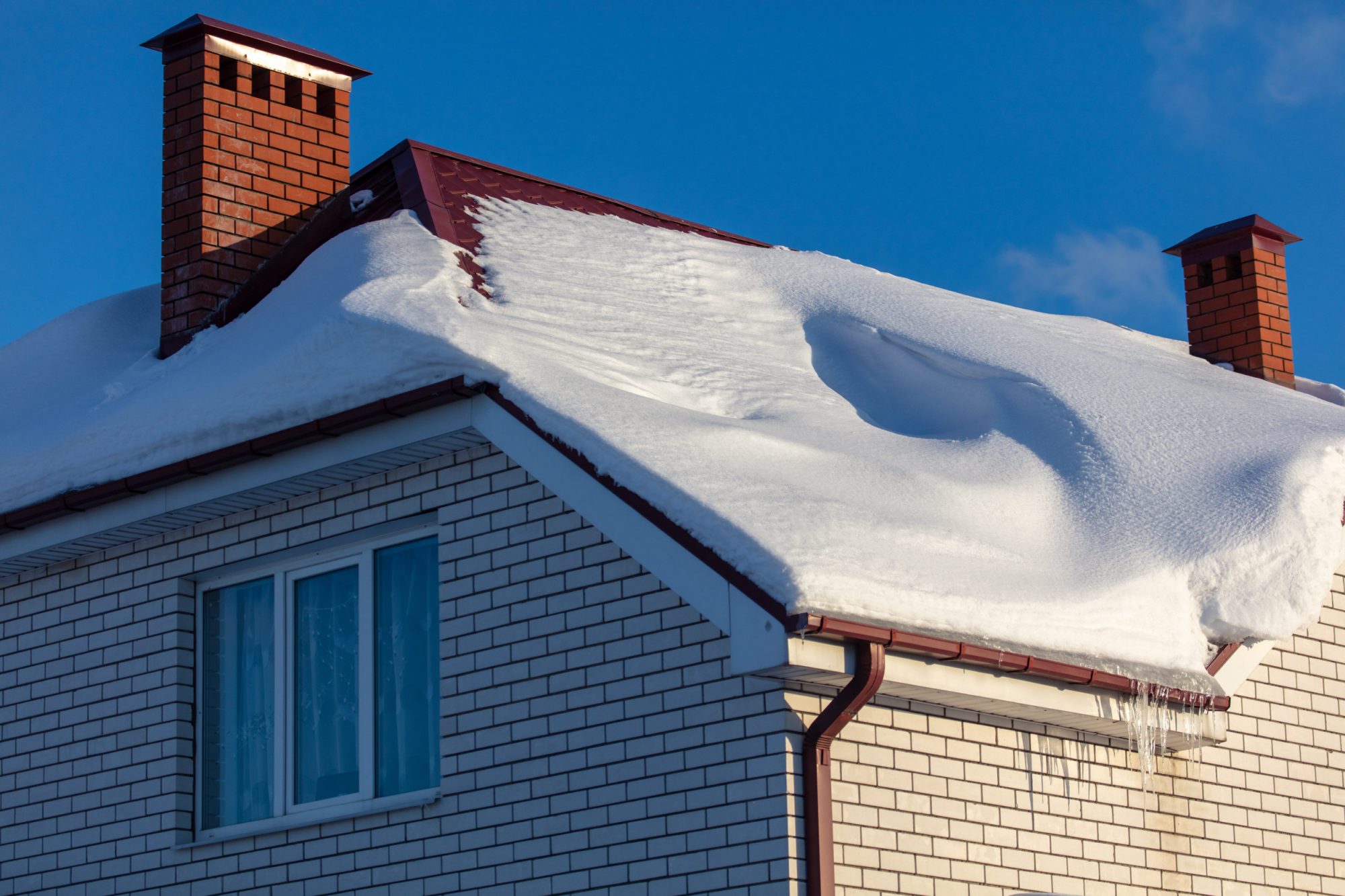
Snow, Ice and Roofs: What to Look at Before You Buy
So, you're thinking about buying a home in an area that gets its fair share of snow and ice. While the winter wonderland can be beautiful, it’s crucial to consider how these elements can affect the roof of your potential new home. Here’s what you need to know to make an informed decision.
Understand the Roof's Structure
The first thing to consider is the type of roof on the property. Different roof designs can handle snow and ice differently. Steeper roofs generally allow snow to slide off more easily, reducing the weight burden. Flat roofs, on the other hand, may require additional maintenance to ensure they don't accumulate too much weight.
Inspect the roofing materials, as well. Some materials are more resilient under the weight of snow and ice. For instance, metal roofs often allow snow to slide off more easily than asphalt shingles.
Check for Proper Insulation and Ventilation
Proper insulation and ventilation are key factors in preventing ice dams, which occur when heat from the home melts snow on the roof, only for it to refreeze at the edges. This can cause damage to shingles and gutters, and potentially lead to leaks inside the home.
When touring a home, ask about the insulation in the attic and how the roof is ventilated. A well-insulated and ventilated roof will not only help prevent ice dams but also improve the overall energy efficiency of the home.
Look for Signs of Roof Damage
During your home inspection, be on the lookout for signs of roof damage that could be exacerbated by snow and ice. This includes missing shingles, sagging areas, or any signs of water damage on ceilings and walls inside the house.
It might be worth hiring a professional roofer to conduct a more detailed inspection, especially if the home is older or if there are visible signs of wear and tear.
Assess the Gutters and Drainage
Gutters and downspouts play a crucial role in directing melted snow and ice away from the home. Check that the gutters are securely attached and free of debris. Properly functioning gutters will prevent water from pooling around the foundation, which could lead to more serious structural issues.
Additionally, consider the grading around the home. The ground should slope away from the foundation to ensure proper drainage.
Consider the Roof's Age
The age of the roof can give you a lot of insight into its condition and how it might handle the winter months. A newer roof is likely to be in better shape and more capable of handling snow and ice. If the roof is older, find out when it was last replaced or repaired and what kind of maintenance has been done on it.
While a new roof can be a significant investment, it might be worth considering the cost of replacing an old one when evaluating the overall price of the home.
Plan for Regular Maintenance
Finally, remember that even the best roofs will require regular maintenance to withstand the challenges of winter weather. This includes clearing away snow build-up if necessary and keeping gutters clean. Knowing what's involved in maintaining a home with a winter-prone roof will help you prepare for future responsibilities as a homeowner.
Have questions about buying a home with winter weather in mind? Feel free to ask!